
How to Anonymously Report a Nursing Home
Each state handles anonymous nursing home complaints a little differently. Some allow you to file a report without giving your name, while others may require basic contact details for follow-up.
Most states have laws that protect your identity unless you choose to come forward or are required by a court order. These laws also protect you from retaliation, which occurs when facilities take negative actions against you or your loved one.

Steps to take for reporting nursing home abuse include:
- Call 911 if the resident is in immediate danger.
- Document what you see. Write down dates, times, staff names, and take photos if possible.
- Gather records or witness information from family members, residents, or visitors.
- Contact the long-term care ombudsman to raise concerns about care or safety.
- File a report with the appropriate state agency. Many complaints can be submitted anonymously.
Many families choose to report nursing home abuse with help from an experienced attorney. A nursing home lawyer can guide you through the process, protect your privacy, and take further action if needed.
If you still have questions about how to report a nursing home or are considering legal action, we’re here to help. The Nursing Home Abuse Center works with top attorneys nationwide who’ve recovered over $337 million for families through nursing home lawsuits.
Get a free case review right now to see if we may be able to help your family.

Fight back against nursing home abuse and neglect — start now with a free case review.
Start My Free Case Reviewor call (855) 264-6310
Common Questions on How to Report Abuse in a Nursing Home
Nursing home abuse is a serious issue that can quickly worsen and even turn deadly if it’s not stopped in its tracks. However, many people don’t know where to turn when they suspect mistreatment.
Below are several of the most common questions about how to report a nursing home.
| What People Ask | Quick Answer |
|---|---|
| How to report a nursing facility to state | Start with your state’s health department or long-term care ombudsman. Most have complaint hotlines or online forms. |
| How to report a nursing home for neglect | Report neglect to your state’s nursing home oversight agency or contact the long-term care ombudsman for help. |
| How to report nursing home abuse | Report abuse to your state’s health department or licensing agency. If the resident is in immediate danger, call 911. |
| How to file a complaint against a nursing home | Each state has a formal process through the agency that regulates nursing homes. Complaints can usually be filed online, by phone, or by mail. |
| How to report a nursing home anonymously | Many state complaint hotlines allow anonymous reports. You can ask whether your name will be kept confidential before filing. |
Nursing Home Abuse Hotlines
If you suspect that someone is experiencing abuse or neglect in a nursing home or other long-term care facility, it’s essential to act quickly to protect them.
Multiple nursing home abuse hotlines are available, offering guidance and support tailored to your location.
These nursing home complaint hotlines provide a way to report abuse:
- Elder Abuse Hotline: 1-800-677-1116
Connects you with local resources to report elder abuse, including in nursing homes. Available Monday through Friday, 9 a.m. to 8 p.m. Eastern Time. - National Adult Protective Services Association (NAPSA)
Directs you to your state’s APS for investigating and addressing elder abuse and neglect in both care facilities and at home. Find your local nursing home abuse hotline here. - National Center on Elder Abuse (NCEA): 1-855-500-3537
Provides information and connects you with local resources for reporting elder abuse. They also offer educational materials to help prevent elder abuse.
Calling a nursing home complaint hotline can start an investigation and connect you with protective services. If someone has already been harmed, you may also have legal options.
What to Do If You Suspect Nursing Home Neglect or Abuse
If you suspect nursing home neglect or abuse, take the situation seriously and act quickly. Even small warning signs can point to larger problems inside a facility.

“If you think your loved one is being neglected, trust your gut and do not wait.”
– Ricky LeBlanc, Nursing Home Abuse Attorney at Sokolove Law
Families are often the first to notice injuries, infections, sudden weight loss, fear, or poor hygiene. Paying attention to these changes can help protect your loved one and prevent further harm.
Worried About Nursing Home Abuse or Neglect?
When you're ready to act, here’s what to expect:
 1. Spot Red Flags Before It’s Too Late
Look for bedsores, confusion, weight loss, fear, or silence.
 2. Reach Out to Our Team, Day or Night
Speak with a trained advocate who listens and understands.
 3. Our Legal Partners File Your Lawsuit
We handle the paperwork and figure out who’s responsible.
 4. You Get Help — and Money If We Win
Receive financial compensation and get justice.
How to Anonymously Report a Nursing Home to the Ombudsman
You can report a nursing home to your state’s ombudsman through the National Long-Term Care Ombudsman Resource Center. From there, your concerns can be addressed through an investigation.
State nursing home ombudsman programs protect the rights of residents and resolve health care and safety issues in long-term care facilities. An ombudsman serves as a middleman between facilities and residents.
A nursing home ombudsman is responsible for:
- Addressing resident complaints about poor treatment, neglect, or abuse
- Educating residents about their rights and available resources
- Recommending changes based on their experiences with older Americans
All states and several U.S. territories were granted a long-term care ombudsman program under the 1978 amendments to the Older Americans Act (OAA), which aims to protect the rights and well-being of older adults.
“Residents and families should know that they have the right to raise concerns without retaliation. They should not be punished, treated differently, ignored, or mistreated because they spoke up.”
– Office of the Connecticut State Long Term Care Ombudsman
How to Report a Nursing Home to Local Authorities
You can report nursing home abuse to local authorities like the police or your state’s APS branch. Remember to always call 911 in a life-threatening emergency.
The police can help you take immediate action if a resident has been seriously harmed or has passed away due to abuse.
Law enforcement can file criminal charges for:
- Assault or homicide
- Financial exploitation
- Sexual assault
Check your state’s rules, your legal rights and deadlines, and exactly how to report nursing home abuse with our free toolkit.
See your state’s laws, resident rights, and how to report abuse.
Nursing Home Abuse Lawyers
Sometimes, the only way victims of abuse and their loved ones feel like they can get closure is by filing a lawsuit against negligent facilities. Nursing home law firms focus on helping families impacted by neglect or abuse in a care facility.
“In every case we take on, our goal is to secure the best outcome for the family and prevent others from being harmed.”
– Ricky LeBlanc, Nursing Home Abuse Attorney at Sokolove Law
Taking legal action is a way to seek compensation and hold facilities accountable, sending a powerful message that mistreatment in nursing homes is unacceptable. Working with an experienced attorney makes the legal process as stress-free as possible.
Download our free Attorney Checklist right now to get help choosing the best lawyer for your family.
Download our free checklist for the questions that matter most when choosing a nursing home lawyer.
Get Your Free Checklist NowEldercare Locator
The Eldercare Locator connects older adults with housing, health care, and other government resources.
Learn more by calling the toll-free elder and nursing home abuse hotline at 1-800-677-1116. Operators are standing by Monday through Friday from 9 a.m. to 8 p.m. Eastern time. You may also visit eldercare.acl.gov.
National Center on Elder Abuse
Established in 1988, the National Center on Elder Abuse is a hub of information and resources.
Through the NCEA, you can learn how to:
- Connect with local elder support resources
- Identify and report nursing home abuse
- Spread awareness about elder abuse
This advocacy group works to make it easier to report and spot nursing home abuse through education and training. It also lobbies for policy changes to improve the quality of care for older adults.
Doctors and Medical Experts
It can sometimes be hard to know the difference between symptoms of normal aging and mistreatment. Problems like falls or fractures, bedsores, and dehydration are not always evidence of neglect or abuse. This is where a medical expert’s opinion can help.
“[Doctors] are in a unique place to be able to comprehensively look at a patient. They have an opportunity to identify elder abuse and to reach out to the community or make appropriate referrals to break the cycle of violence or neglect.”
– Amy Berman, Registered Nurse, John A. Hartford Foundation
Doctors can examine nursing home residents for physical and emotional signs of abuse or neglect. Because of their critical role, health care professionals are often mandatory reporters — required by law to report any suspected abuse or neglect to authorities.
Recognizing and Reporting Signs of Nursing Home Abuse
 Nursing home residents can experience many types of abuse, like physical harm, emotional mistreatment, neglect, and sexual assault.
Knowing how to report a nursing home neglect or abuse case can be a challenge since the warning signs of abuse vary greatly. However, one common thread is that abuse or neglect often leads to negative changes in your loved one’s physical or emotional health.
Nursing home abuse reporting can help to stop problems before they worsen. Below are some common warning signs of nursing home abuse.
Physical Abuse Warning Signs
- Broken bones and other serious injuries
- Bruises and welts
- Cuts, burns, or sores
Neglect Warning Signs
- Bedsores, especially stage 4 pressure ulcers
- Infections from untreated wounds or unsanitary conditions
- Lack of proper nutrition and dehydration
- Missing medical devices (hearing aids, glasses, medications)
- Poor hygiene (soiled clothes, unclean hair)
Sexual Abuse Warning Signs
- Bruising or bleeding around the genitals
- Development of STDs from sexual abuse
- Stained or torn clothing or bedding
Emotional Abuse Warning Signs
- Changes in behavior or sleep patterns
- New onset of depression, fear, or anxiety
Was your loved one abused or neglected? Get a free case review — compensation may be available.
Fight back against nursing home abuse and neglect — start now with a free case review.
Start My Free Case Reviewor call (855) 264-6310Documenting Warning Signs of Nursing Home Abuse
If you think a loved one is being harmed, note any possible signs the moment your suspicions are raised.
Keeping track of the signs of nursing home abuse and neglect can make it easier to report them later on. It can also strengthen the case if it results in a criminal or civil nursing home abuse lawsuit.
To start, write down when you first noticed negative changes in your loved one. Include as much detail as possible about what you’ve seen and when.
It’s important to take photos as evidence if you think your loved one is suffering from neglect or physical abuse.
Why Should I Report Nursing Home Neglect and Abuse?
Nursing home abuse is a serious issue that can quickly worsen and even turn deadly if not stopped. There is no question that you should report nursing home abuse. And you can do so in several ways, through local agencies to national organizations.
Here are 5 reasons for reporting nursing home abuse:
- Protect your loved one: Ensures they receive the care and comfort they deserve
- Prevent future harm: Helps stop ongoing abuse while preventing it from happening to other vulnerable residents
- Hold facilities accountable: Opens the door to legal consequences for the facility and its staff, encouraging improvements in care
- Advocate for justice: Allows access to nursing home abuse legal help, which can result in compensation and justice for the victims
- Ensure compliance with laws: Helps enforce the legal and ethical standards nursing homes must follow
By reporting suspected abuse, you can open an investigation into a resident’s well-being while they are living in a facility. You may even be able to hold nursing facilities legally accountable if they harmed your loved one.
If you or your family have questions about how to report a nursing home, contact our team today.
Call (855) 264-6310 or Click to Live Chat to see if we can connect you with a trusted nursing home lawyer near you.
Can Staff Report Nursing Home Neglect?
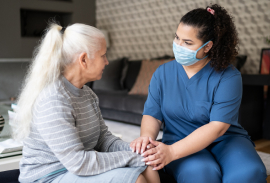 Yes. In fact, staff members are required, both by law and internal policies at nursing homes and assisted living facilities, to report nursing home abuse and neglect.
Nursing home staff can report abuse without facing disciplinary action from their employer or legal liability. Ignoring nursing home neglect or abuse carries serious penalties.
Staff members and home care providers who ignore abuse may be fired, lose their medical license, or be arrested. Caregivers can also face civil lawsuits for abuse or negligence.
Abuse and neglect may only worsen if left unchecked, meaning your loved one could continue to suffer. Reporting concerns as early as possible can help protect residents, prompt an investigation, and prevent further harm.
Next Steps to Report Nursing Home Abuse and Neglect
By reporting nursing home abuse, you and your family members can begin to heal and work toward closure from the trauma. Reporting abuse also helps bring those responsible to justice and prevents them from harming others.
Taking quick action is key when abuse or neglect occurs. Acting promptly and involving the right organizations, including experienced legal professionals, can help protect your loved one and hold those responsible accountable.
The Nursing Home Abuse Center works with a network of experienced nursing home lawyers across the country who can help families in all 50 states. Together, they have secured over $337 million for victims of nursing home abuse and neglect.
Call us right now at (855) 264-6310 or fill out this form for a free legal case review.
How to Report a Nursing Home FAQs
Who do you report abuse to in a nursing home?
You can report a nursing home by contacting your state’s Department of Health or Adult Protective Services (APS), which can investigate and follow up on complaints. If your loved one is in immediate danger, call 911 right away.
You can also report concerns to a long-term care ombudsman, a medical provider, or an elder abuse attorney.
Want help now? Call (855) 264-6310 to speak with one of our trained patient advocates.
How do you report nursing home neglect?
Neglect is a form of nursing home abuse and should be reported through the same channels.
Start by documenting any signs of neglect, such as bedsores or missed medications. You can then file a complaint with your state’s health department, APS, or a long-term care ombudsman.
If the neglect has already caused harm, you may also want to speak with a nursing home abuse lawyer to understand your legal options.
What should I do if I suspect nursing home abuse?
Trust your instincts and do not wait to act. If something feels wrong, start writing down what you see, including injuries, changes in behavior, poor hygiene, or other signs of neglect. Recording dates, photos, and details can help protect your loved one and support an investigation.
If your loved one is in immediate danger, call 911 right away.
You can also contact your local long-term care ombudsman, who can step in to review concerns and help start a complaint.
If abuse or neglect caused harm, you may also have legal options. Call (855) 264-6310 or Click to Live Chat to see how we may be able to help.
How do you report a nursing home anonymously?
Many states allow anonymous reports through hotlines or online complaint forms. To protect your identity, check the reporting process carefully or ask the agency if your name is required.
A nursing home lawyer can help you navigate the reporting process and take steps to keep your information private if you choose to pursue legal action.
What is the biggest complaint in nursing homes?
The biggest complaint in nursing homes is often related to inadequate staffing. This issue can lead to various problems, including neglect, poor care, and unmet needs of residents.
Insufficient staff means residents may not get help with daily activities, medication management, or hygiene, contributing to overall dissatisfaction and concerns about safety and health.
Who regulates nursing homes in my state?
Nursing homes in your state are usually regulated by the state’s Department of Health or a similar agency responsible for health services.
These agencies ensure that nursing homes follow state and federal laws, conducting regular inspections and enforcing standards to keep residents safe. If the nursing home receives federal funding, the Centers for Medicare & Medicaid Services (CMS) also regulates it.
For details on how to report nursing homes to state officials, check with your local Department of Health or contact your local long-term care ombudsman.
How do you report a nursing home to the state?
To report a nursing home to your state, contact your state’s health department or licensing agency. Most have hotlines or online forms to submit complaints.
State laws on elder abuse usually govern how reports are handled and what protections exist for residents and those who file them.
You can also reach out to your local long-term care ombudsman for help navigating the process.
Are there any reporting requirements for nursing home abuse?
Yes, there are specific reporting requirements for nursing home abuse. Many states mandate that health care workers, caregivers, and other professionals report any suspected abuse or neglect.
These individuals are legally required to act if they believe abuse is occurring, and failure to do so can result in penalties.
Additionally, under the Elder Justice Act, staff in facilities receiving $10,000 or more in federal funds are required to report suspected abuse or neglect. Serious cases must be reported within 2 hours, and other incidents within 24 hours.
If you’re unsure where to start, the Nursing Home Abuse Center can guide you through the process and help you take the appropriate steps. Call us right now at (855) 264-6310.
How do I report assisted living abuse?
If you believe a loved one is being abused or neglected in an assisted living facility, you can report it to your state’s health department or licensing agency, which oversees these facilities and investigates complaints. If someone is in immediate danger, call 911.
It can help to document what you see, including injuries, sudden health changes, or poor living conditions.
If the abuse caused harm, you may also have legal options. Get a free case review now to see if you may be eligible.